Learning by ear: why we start without the dots
3 July 2026
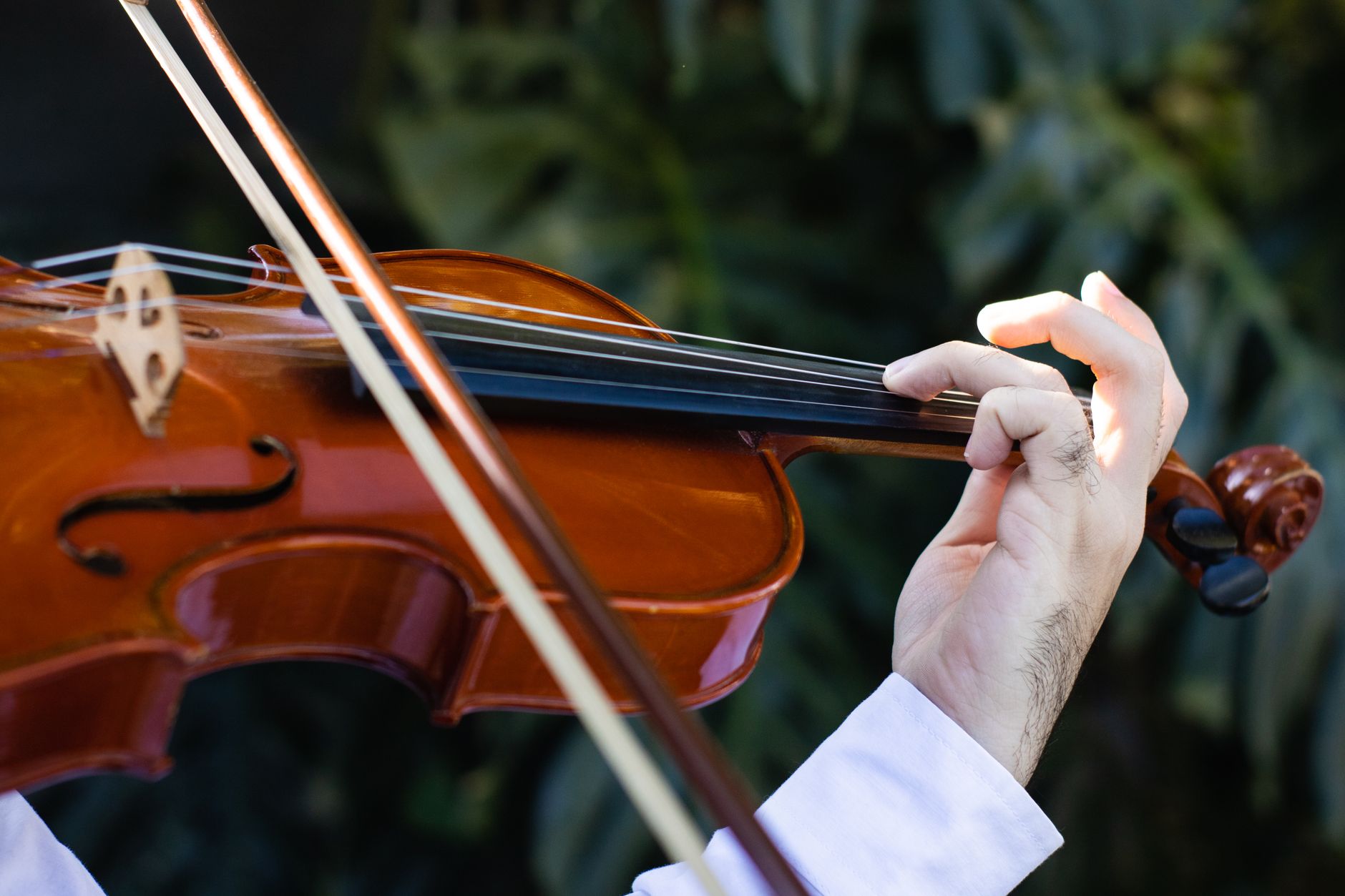
Every autumn a new member arrives, sits down, and asks — quite reasonably — where the sheet music is. And every autumn we explain, as gently as we can, that for the first while there isn't any. This post is the longer version of that conversation.
The tradition is oral. Every fiddler in the chain that brought these tunes to us — from the old West Side players through Tom Anderson's classes to the session in Lerwick last Tuesday — learned the core of the repertoire by ear. That isn't romantic nostalgia; it's a description of how the style actually transmits. The lift, the ring, the way a Shetland reel leans on the beat: none of it is in the dots. Notation stores the skeleton of a tune. The music is the walk.
Your ears are more capable than you think. Most adults who "can't learn by ear" have simply never been asked to. We teach a tune in phrases: hear it, sing it (yes, really — humming counts), then find it on the fiddle. Two bars at a time. It's slower than reading for the first month and faster forever after, because a tune learned by ear is in you — it survives a lost folder, a dark pub, and the years.
We're not anti-notation. The dots are a wonderful archive — Anderson's collections, the Shetland Folk Society books — and once a tune is under your fingers we'll happily point you at the written source to check details. The rule of thumb: paper is for remembering, not for learning.
Practical notes for beginners: we record every teaching set on a phone at the end of the night, and slowed-down recordings do more for you than any printout. Come along on a Tuesday, sit in the middle where you can hear, and give it three weeks before you decide it isn't for you. It is.